
All Categories
What is a Tight Top Mattress?
A tight top mattress is a mattress with a flat, even surface where the top fabric panel is tightly stitched to the side panel, creating
Enjoy FREE Delivery on All Orders!
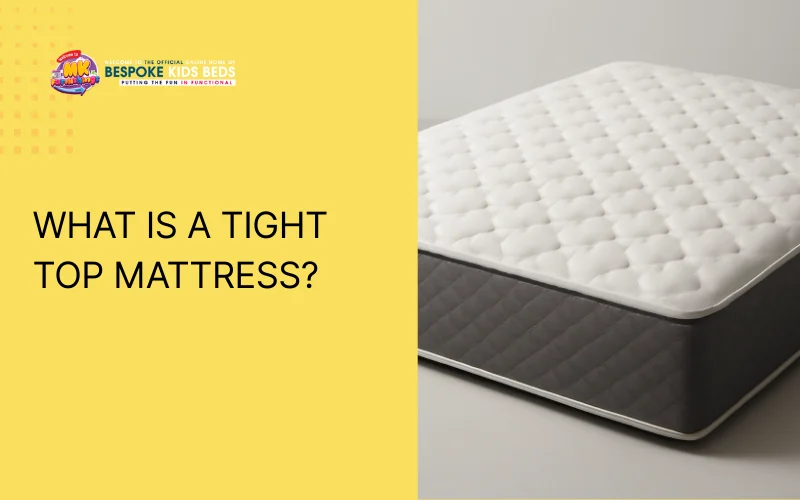
A tight top mattress is a mattress with a flat, even surface where the top fabric panel is tightly stitched to the side panel, creating a seamless, firm sleeping surface. Unlike pillow top or euro top mattresses, this design does not feature an extra layer of padding sewn on top of the mattress. Instead, it has a tightly stretched fabric that covers the internal components, typically innerspring coils, providing a solid foundation for the sleeper. This absence of additional cushioning gives the tight top mattress its firmer feel, which many individuals prefer for its strength and stability.
Tight top mattresses are often recommended for those seeking back pain relief, spinal alignment, stomach sleepers, or who prefer a stable, supportive sleeping surface. It is particularly popular among those who desire durability and consistent support throughout the night without the plush, pillowy feel that comes with other mattress types. By focusing on firmness, a tight top mattress offers a long-lasting solution for restful sleep.
The benefits of a tight top mattress include firm support, minimised sagging, increased durability, better spinal alignment, and proper temperature regulation throughout the sleep. Tight top mattresses are also ideal for those who prefer a more traditional sleep experience, offering a firmer, classic feel that many find beneficial for both comfort and support.
A tight top mattress is known for offering a flat, even surface with firm support, making it ideal for maintaining proper body alignment, particularly for back sleepers. The firmness ensures that the spine stays in a neutral position, which promotes healthy posture and reduces the likelihood of back pain. This firm construction helps evenly distribute body weight, minimising pressure points that could lead to discomfort. By maintaining this level of firmness, tight top mattresses provide a more comfortable and stable sleep.
One of the key benefits of a tight top mattress is its ability to resist sagging over time. Sagging, which can cause discomfort and disrupt sleep, is particularly problematic in mattresses with extra layers of padding, like pillow tops. With a firmer design and no additional cushioning, tight top mattresses are less prone to sagging. The sturdy construction helps maintain the mattress’s shape and support, ensuring consistent comfort and durability, making it a great long-term investment for sleepers.
Durability is a major reason people choose tight top mattresses. Their simple design, with fewer components compared to pillow tops, contributes to their longevity. Without the extra plush layers, tight top mattresses are less susceptible to material breakdown or wear, allowing them to remain functional for 6 to 12 years. Additionally, they resist sagging and indentations, making them a reliable choice for those seeking a long-lasting, supportive mattress.
Tight top mattresses are especially beneficial for heavier sleepers who need additional support and stability. The firm construction helps distribute body weight evenly, preventing excessive sinkage and ensuring proper spinal alignment. Softer mattresses may not provide the necessary support for heavier individuals, making the tight top mattress a better choice. This design reduces the risk of sagging and enhances overall comfort, providing a stable and supportive surface for restful sleep.
A tight top mattress promotes healthy spinal alignment by offering a firm, flat, and consistently supportive surface. This ensures that the body stays “floating on top” of the mattress rather than sinking excessively, preventing the spine from falling into unnatural positions. By maintaining a neutral curvature and evenly distributing weight, the tight top mattress helps reduce back pain and muscle strain, leading to improved sleep quality. Additionally, the firm surface supports the natural curve of the spine, alleviating pressure on key areas for better comfort and support throughout the night.
In the UK, a significant portion of mattress shoppers prefer firmer sleep surfaces. A recent survey from AGF found that firm mattresses are searched nearly three times more often than soft ones. Tight top mattresses provide the “classic” firm feel many of these shoppers desire, especially those familiar with innerspring systems. This style offers stable, consistent support without the plush cushioning of pillow tops or euro tops, making it ideal for those who value a firm, reliable sleep foundation over a soft, sinking sensation.
A tight top mattress is ideal for back sleepers, heavier individuals, and those who prefer firm support. Back sleepers, in particular, benefit from the firm surface as it helps maintain the spine’s natural alignment, reducing the risk of back pain. Heavier sleepers benefit from the even weight distribution, which prevents excessive sinking and ensures better support throughout the night. For those who prefer a traditional, firm feel, tight top mattresses offer long-lasting comfort.
Tight top mattresses are also a good option for stomach sleepers, as the firm surface helps keep the spine aligned. They are also more affordable than pillow top mattresses, offering durability without the extra padding that can cause sagging. Hot sleepers will appreciate the firmer surface, which promotes better airflow and cooler sleep. The slim profile of tight top mattresses also makes them ideal for spaces like bunk beds or trundle beds, where a lower-profile mattress is needed.
Tight top mattresses, with their thin, dense top layer, are often too firm for side sleepers and petite individuals. These types of sleepers require more cushioning around the hip and shoulder areas to avoid pressure points, which a tight top mattress may not provide. The firm surface can also lead to discomfort and stiffness, particularly for side sleepers who need softer support for proper spinal alignment.
Additionally, tight top mattresses tend to have higher motion transfer due to their spring coil base and minimal padding. This can be disruptive for couples, particularly if one partner frequently moves or gets in and out of bed. For better motion isolation, those seeking reduced motion transfer may want to consider tight top mattress alternatives, which can offer better comfort and support.
While tight top mattresses offer firm support, they often come with certain challenges, including limited cushions compared to pillow or Euro top, non-cushioned top, discomfort for side sleepers, and reduced breathability, leading to heat retention. These mattresses may also not be compatible with adjustable bases, making them less suitable for certain sleeping positions or body types.
The firm, flat surface of a tight top mattress can be uncomfortable for sleepers who need extra cushioning. Side sleepers or those with joint pain typically require softer mattresses with more plush padding to alleviate pressure on their hips and shoulders. Unfortunately, tight top mattresses lack the softness and cushioning needed for these sleepers. For those requiring more comfort, mattress types with additional comfort layers of padding, such as pillow tops or euro tops, may offer better support and pressure relief.
Pressure points occur when certain areas of the body experience excessive pressure during sleep, often leading to discomfort or pain. Tight top mattresses may cause increased pressure on joints, especially for side sleepers, due to the absence of cushioning. Without sufficient padding, the mattress does not adequately relieve pressure on sensitive areas like the hips and shoulders. For individuals with joint pain or pressure sensitivity, mattresses with more cushioning and pressure relief, such as memory foam or latex mattresses, may provide better comfort.
Some mattresses, particularly those with dense, non-cushioned surfaces, can trap heat and cause discomfort during sleep. Tight top mattresses may have reduced breathability, leading to overheating, especially for hot sleepers. The firm construction and lack of airflow can cause the body to retain heat, making it difficult for some individuals to sleep comfortably. For those sensitive to heat, cooling mattress options or mattresses with enhanced breathability, such as those made with gel-infused memory foam or latex, can offer a more comfortable sleep environment.
While many mattresses are compatible with adjustable bed frames, tight top mattresses may not perform well with these bases. Their firm and rigid construction may cause discomfort when the bed is adjusted to different angles. Tight top mattresses typically do not flex as easily as other mattress types, such as memory foam or hybrid mattresses, making them less suitable for use with adjustable frames. Before purchasing, it is advisable to check the compatibility of the tight top mattress with your adjustable base to ensure optimal comfort and support.
There are several popular mattress types, with memory foam, hybrid and latex mattresses being some of the top choices. Memory foam mattresses offer excellent pressure relief and body contouring, while latex mattresses are known for their durability and hypoallergenic properties. Hybrid mattresses combine foam and coils for a balanced feel of comfort and support. However, for those seeking firm support and a traditional feel without extra cushioning, a tight top mattress may be the ideal choice.
Memory foam mattresses are designed to contour to the body’s shape, providing excellent pressure relief. They work by responding to heat and pressure, moulding to the sleeper’s body for a personalised fit. This body contouring feature helps relieve pressure points, particularly for side sleepers. Compared to tight top mattresses, memory foam offers a softer, more cushioned feel, making it ideal for those seeking a plush sleeping surface with additional comfort.
Latex mattresses are made from natural or synthetic rubber and are well known for their durability and hypoallergenic properties. They provide firm, supportive surfaces that are often more breathable than memory foam. While tight top mattresses also offer firmness, latex mattresses typically provide a slightly softer feel and are better for those with allergies. Latex is an excellent option for sleepers who want a durable, eco-friendly choice with good support.
Hybrid mattresses combine foam layers with innerspring coils to create a balance of comfort and support. The foam layers offer pressure relief, while the coils provide stability and responsiveness. Compared to tight top mattresses, hybrids tend to have a softer feel, with more cushioning on top. Hybrid mattresses are ideal for those seeking a balance of both firm support and the plush feel found in memory foam or latex mattresses.
The main difference between tight top, euro top and pillow top mattresses lies in their construction and feel. Tight top mattresses offer a firm, flat surface with no extra padding, providing strong support. Pillow top mattresses have a soft layer of padding sewn on top for added comfort and cushioning. Euro top mattresses feature padding sewn beneath the cover, creating a smoother and more uniform sleeping surface. Each mattress type has unique benefits, catering to different sleep preferences.
For a better understanding of each mattress, here is a table highlighting the differences:
| Feature | Tight Top Mattress | Pillow Top Mattress | Euro Top Mattress |
| Firmness | Various options in firmness levels | Softer with more cushioning | Medium firm mattress, more cushioning |
| Padding Location | No extra padding on top | Soft padding sewn onto the top | Padding sewn beneath the cover |
| Durability | Highly durable, less prone to sag | Prone to sagging over time | More durable than pillow top |
| Lifespan | 6 to 12 years | 5 to 10 years | 7 to 10 years |
| Best For | Back sleepers | Side sleepers | Those who want a balance of softness and durability |
Recommendation: For firm support and longevity, tight top mattresses are the best choice. Pillow top mattresses are ideal for side sleepers or those who prefer a cushioned feel, while euro top mattresses offer a balance of softness and durability for those seeking a more versatile option. Additionally, if you are wondering how to choose a mattress for kids from any of these options, it is important to consider their age, needs, and preferences.
Maintaining a tight top mattress requires rotating it regularly, protecting it from moisture, avoiding excessive weight, and using a mattress protector to ensure its longevity and comfort. Following this, proper care ensures that your mattress continues to provide consistent support and comfort for many years.
To prevent uneven wear, it is important to rotate your tight top mattress every 6 months. Regular rotation helps distribute body weight evenly across the surface, preventing sagging in specific areas. This practice ensures uniform support and helps maintain the mattress’s firmness over time. By sticking to this routine, you can significantly extend the mattress’s lifespan and keep it comfortable for longer.
Moisture can damage your mattress by promoting mould and mildew growth, which can affect both hygiene and comfort. To protect your tight top mattress, avoid spills and accidents, and consider using a mattress protector. This simple step keeps your mattress dry, protects it from stains, and helps maintain its structure and integrity. Moisture control is essential for maintaining the mattress’s long-term durability.
Excessive weight or pressure can impact the performance of your tight top mattress. Sitting or jumping on the mattress can cause unnecessary strain on the structure, leading to damage over time. To ensure that your mattress remains in good condition, avoid placing heavy objects or consistently applying excessive weight (over 120 kilograms). This helps maintain the mattress’s original form and provides consistent, supportive comfort.
A mattress protector is an essential tool for preserving the cleanliness and longevity of your tight top mattress. It shields the mattress from dust, allergens, moisture, and stains, all of which can degrade its performance over time. Using a protector keeps your mattress hygienic, prevents damage, and ultimately extends its lifespan. Investing in a mattress protector ensures your tight top mattress stays clean and well-maintained.
People choose tight top mattresses primarily for their firm support, durability, and affordability. These mattresses are perfect for individuals who prefer a stable, flat surface that offers consistent support throughout the night. Tight top mattresses are particularly beneficial for back sleepers, providing excellent spinal alignment and reducing the risk of back pain. They also offer a no-frills sleeping experience, making them a popular choice for those who do not need extra cushioning or padding.
Additionally, tight top mattresses are ideal for those who enjoy a traditional, firmer feel. Unlike pillow top or Euro top mattresses with added cushioning or softness, tight top mattresses deliver reliable support and long-lasting comfort. If you are looking for a straightforward mattress that focuses on firm support without any additional layers, a tight top mattress may be the perfect fit for your needs.
A eurotop mattress is a mattress that features an extra layer of padding sewn beneath the top cover, creating a smoother and more even surface. This design offers additional cushioning compared to traditional mattresses, providing a softer feel while still maintaining support.
A mattress tight top is a mattress that features a flat, firm surface with no added cushioning on top. The top fabric is tightly stitched to the sides, creating a solid, seamless feel. Unlike pillow top or euro top mattresses, it does not include an extra plush layer, offering a more rigid feel and enhanced durability.
No, a tight top mattress may not be ideal for side sleepers, as it lacks the cushioning needed to relieve pressure on the hips and shoulders. Side sleepers typically prefer softer mattresses that provide more comfort and pressure relief.
A tight top mattress offers firm support through its coil-based design, which helps evenly distribute body weight and maintain proper spinal alignment throughout the night.
A tight top mattress differs from a euro top mattress by having no extra padding on top, resulting in a firmer surface. In contrast, a euro top has padding sewn beneath the cover for a smoother, softer feel.

Kyle Kane
Owner
Kyle Kane is Co-Owner of MK Furnishings, a family-run business based in UK that specializes in high-quality custom kids’ bunk beds, including triple, double, single, and themed designs. Since launching the company in 2016 alongside his brother-in-law, Kyle has helped deliver and assemble thousands of beds across the UK, Ireland, and beyond. Focused on customer satisfaction, Kyle leads a hardworking team that handles every step from ordering to delivery ensuring a smooth and professional service. His commitment to quality craftsmanship and reliable support has earned MK Furnishings a strong reputation and growing customer base throughout the region.
A tight top mattress is a mattress with a flat, even surface where the top fabric panel is tightly stitched to the side panel, creating
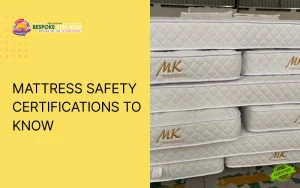
Certifications like Greenguard Gold, National Bed Federation Certification, and CertiPUR US serve as verified approvals that help buyers identify mattresses that are safe and healthy
Fancy £50 off all orders! Enter in 50off to redeem in the coupon code section
