
All Categories
What is a Tight Top Mattress?
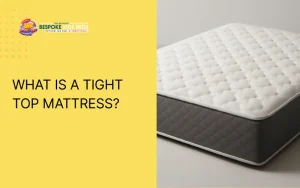
A tight top mattress is a mattress with a flat, even surface where the top fabric panel is tightly stitched to the side panel, creating
Enjoy FREE Delivery on All Orders!
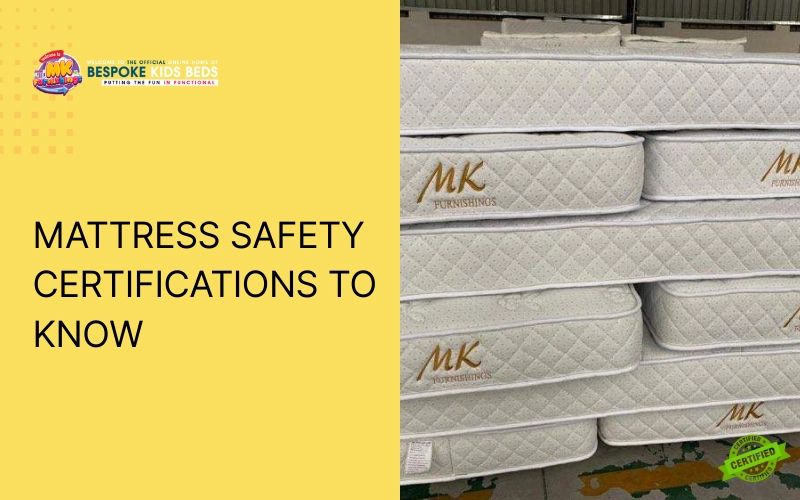
Certifications like Greenguard Gold, National Bed Federation Certification, and CertiPUR US serve as verified approvals that help buyers identify mattresses that are safe and healthy to use. They show that a mattress has gone through third party testing to check for harmful chemicals, unsafe materials, and poor manufacturing practices. Independent testing also reviews emissions, toxic substances, and fire resistance so that the product meets recognised safety standards.
These certifications ensure that the mattress is manufactured using natural or organic raw materials that limit allergens and reduce exposure to volatile organic compounds (VOCs). This article provides a detailed look at the top mattress safety certifications and explains how each one helps buyers understand whether the materials meet recognised safety expectations.
There are several trusted mattress certifications that consumers should know, and each one confirms that a mattress is free from harmful chemicals, has passed strict safety tests, and meets recognised environmental standards. These approvals provide reliable assurance of safety and quality, making them important checks during the buying process. Each certification offers specific benefits that help buyers understand whether the materials and manufacturing practices align with clear safety expectations.
As a British Standard for ignition resistance, BS 7177 sets clear fire safety requirements for mattresses, mattress pads, divans and bed bases, but not for mattress protectors. The standard confirms that each product has passed testing designed to limit ignition risks in different environments, including areas vulnerable to arson.
BS 7177 can be used to judge whether a mattress meets the required levels of ignition resistance, but it does not predict how a mattress behaves once it is engulfed in uncontrolled flames. The standard guides manufacturers, importers and fire safety specialists determine whether a product satisfies strict safety expectations, especially for children. It also encourages safer production through clear rules on acceptable performance and the use of suitable labels that verify compliance.
Run by an American nonprofit organisation Alliance for Flexible Polyurethane Foam, Inc., the CertiPUR-US certification program evaluates foam used in mattresses to confirm that it does not carry unwanted chemicals. It checks indoor air quality performance, confirms low volatile organic compounds (VOCs) and provides assurance that the foam meets recognised safety expectations.
Companies earn CertiPUR-US approval after their foam is tested for the presence of formaldehyde, ozone depleters, regulated phthalates, mercury, lead and other heavy metals. They are also checked for chemical groups, including certain flame retardants linked with carcinogenic, mutagenic, or reproductive risks. This level of assessment supports safer production and helps buyers trust that the foam meets strict requirements for chemical free composition and high indoor air quality.
Every textile component used in mattresses, from yarn to finished fabric, is screened for harmful substances under OEKO-TEX STANDARD 100. This certification applies global test criteria and follows strict human ecology requirements, which are stricter for products that remain in close contact with the skin of children and babies, like mattresses. Each thread, button, and accessory is checked against more than 100 chemicals reviewed through lab testing to ensure they are not harmless to human health.
This approval confirms that all textile elements in a mattress meet international chemical regulations, including the REACH directive, CPSIA, and the European Chemicals Agency’s SVHC candidate list. The program updates its limit values each year and uses consistent testing rules that help manufacturers produce safer mattress fabrics. This gives buyers confidence that the materials meet recognised chemical safety expectations.
The Global Organic Textile Standard outlines requirements for textiles made with certified organic fibers and supports the use of safer materials in mattresses. It requires that approved products contain at least 95% organic fibres, prohibits the use of toxic pesticides and harmful chemicals, and sets rules for environmentally responsible processing and labelling. This provides credible assurance that the textiles used in mattresses meet clear human ecology and social criteria.
GOTS approval is earned when the organic fibres meet these content rules and when the supply chain follows defined social and fair labour practices, such as safe working conditions and controlled working hours. The organisation also maintains a public list of certified suppliers for transparency. This enables consumers to verify sourcing, understand how materials are produced and trust that the organic textiles used in the mattress align with recognised safety and sustainability expectations.
Greenguard Gold verifies low chemical emissions from mattresses and supports safe indoor air quality. Indoor air can contain high levels of volatile organic compounds released from household materials, including mattresses, which may irritate the eyes, nose and throat. The Greenguard Gold program checks how a mattress performs in controlled conditions, evaluates VOC levels and applies stricter emission limits, making it suitable for homes with babies, children or anyone with chemical sensitivities.
A mattress earns Greenguard Gold approval when it meets lower VOC limits than the standard Greenguard level. The certification reviews mattresses for hundreds of chemicals and examines manufacturing practices to support consistent low emission performance. This helps buyers trust that the mattress contributes to cleaner indoor air, which is especially important in children’s rooms.
The Global Organic Latex Standard certifies latex products made with organically grown natural rubber and is widely used for mattresses and bedding. Developed by Control Union with support from major manufacturers and trade associations globally, it recognises products that contain certified organic latex and applies strict rules to confirm organic origin. GOLS also limits harmful substances, requires emission testing, and specifies acceptable polymer and filler percentages.
To obtain GOLS approval, the natural rubber latex in mattresses must come from certified organic plantations and manufacturers must follow defined environmental and social rules. The standard supports a transparent supply chain by using traceable transaction certificates from plantation to final retailer. This helps buyers trust that the latex is organic, responsibly produced and free from harmful substances, making GOLS a reliable indicator for families seeking a non-toxic and environmentally conscious mattress option.
The National Bed Federation certification confirms that the UK’s mattress manufacturers follow strict national rules for flammability, hygiene, chemical compliance and correct product labelling. The NBF Code of Practice supports this by checking that members meet legal requirements such as REACH chemical rules, biocide controls and textile composition regulations. Further independent audits by BM TRADA verify that manufacturing processes are clean, controlled and aligned with current legislation before reaching buyers.
To earn NBF approval, manufacturers must meet detailed criteria across safety, cleanliness, trade descriptions, and audit compliances. The Code of Practice holds Assured Advice status with West Yorkshire Trading Standards, which gives retailers and consumers confidence that approved mattresses meet recognised UK standards. This discourages unsafe practices and supports a transparent marketplace where buyers can trust that certified mattresses follow strict regulatory expectations.
As buyers grow more concerned about the chemicals, allergens, and fire hazards in mattresses, they are now looking for clear ways to verify alignment with national safety standards. Mattress safety certifications help address such concerns by confirming that materials are free from toxic chemicals, support hypoallergenic performance, and comply with UK fire resistance standards like BS 7177.
These approvals protect health and well-being by reducing exposure to harmful substances and ensuring that mattresses satisfy recognised regulations. Choosing certified products is an important step for families in the UK who want safer materials and a healthier sleep environment, making these certifications essential for informed purchasing.
Unapproved mattresses pose household fire risk because they are not tested for fire resistance, leaving buyers uncertain about how the materials behave when exposed to heat in real living conditions. But when a mattress carries a fire safety label, UK buyers can confirm that it has passed recognised laboratory testing, and complies with ignition resistance requirements such as BS 7177. The label indicates that the materials meet UK flammability rules and that the manufacturer has followed the correct safety checks before the mattress enters the market. By reviewing this label, buyers can confirm that the mattress meets national safety expectations and offers reliable protection against fire hazards.
A mattress certification is only earned when it passes tests for harmful chemicals, allergens, fire hazards, and socially acceptable manufacturing processes. It confirms that the mattress protects buyers from risks linked with poor material quality and inadequate safety controls. Certifications like CertiPUR US ensure low emissions from foam, OEKO TEX STANDARD 100 checks textiles for harmful substances, BS 7177 confirms fire resistance, and GOTS verifies the responsible sourcing and processing of organic fibres. Together, these checks ensure fire safety, reduce direct skin contact with dangerous substances, limit exposure to toxins, improve indoor air quality, and help provide safer sleep environments for families. These benefits give families peace of mind that their mattress meets recognised UK standards for the wellbeing of all family members.
Yes, mattresses sold in the UK are required to have a fire safety label that confirms compliance with ignition resistance rules such as BS 7177. This label verifies that the materials have been lab-tested and that the mattress meets national flammability standards.
When buying a mattress, look for certifications like BS 7177 for fire resistance, CertiPUR US for low emission foam, OEKO TEX STANDARD 100 for harmful substance testing, and GOTS or GOLS for organic textiles and latex. These approvals provide assurance that the mattress has been tested under strict safety expectations.
Yes, organic certifications like GOTS and GOLS verify that the fibres and latex used in the mattress come from certified organic sources and are processed under strict environmental and social regulations. These standards also limit harmful substances, making approved mattresses safe for long-term contact and suitable for families seeking natural materials.
Mattress certifications improve sleep quality by ensuring limited chemical exposure, low emissions, and use of hypoallergenic materials. These controls create a cleaner and safer sleep environment to reduce irritation, improve air quality, and offer better comfort for sensitive individuals.
Eco-friendly mattress claims can be trusted when they are supported by recognised third-party certifications such as GOTS, GOLS or Greenguard Gold, which check material sourcing, chemical limits and emissions. However, buyers should still remain cautious because some less established certifications offer limited testing and are likely to be misleading.

Kyle Kane
Owner
Kyle Kane is Co-Owner of MK Furnishings, a family-run business based in UK that specializes in high-quality custom kids’ bunk beds, including triple, double, single, and themed designs. Since launching the company in 2016 alongside his brother-in-law, Kyle has helped deliver and assemble thousands of beds across the UK, Ireland, and beyond. Focused on customer satisfaction, Kyle leads a hardworking team that handles every step from ordering to delivery ensuring a smooth and professional service. His commitment to quality craftsmanship and reliable support has earned MK Furnishings a strong reputation and growing customer base throughout the region.
A tight top mattress is a mattress with a flat, even surface where the top fabric panel is tightly stitched to the side panel, creating
Certifications like Greenguard Gold, National Bed Federation Certification, and CertiPUR US serve as verified approvals that help buyers identify mattresses that are safe and healthy
Fancy £50 off all orders! Enter in 50off to redeem in the coupon code section
